Knowing the basics of convection bake vs. bake and which method better suits your culinary creation offers a surefire way to elevate any dish you pop into the oven—and below, we’ll walk you through them.
Understanding the different oven settings
When you look at the control panel of your oven, you’ll probably see a few different options—like bake and broil. You don’t need to worry about the top element of your oven for now, so we’ll set aside broiling.
Many modern ovens provide conventional and convection settings, so you can probably use either depending on your recipe when baking in your home kitchen.
What is standard bake?
Standard baking, also known as conventional baking, uses a traditional heating element to warm the oven chamber. The heated air warms the food as the heat rises from the bottom.
What is convection bake?
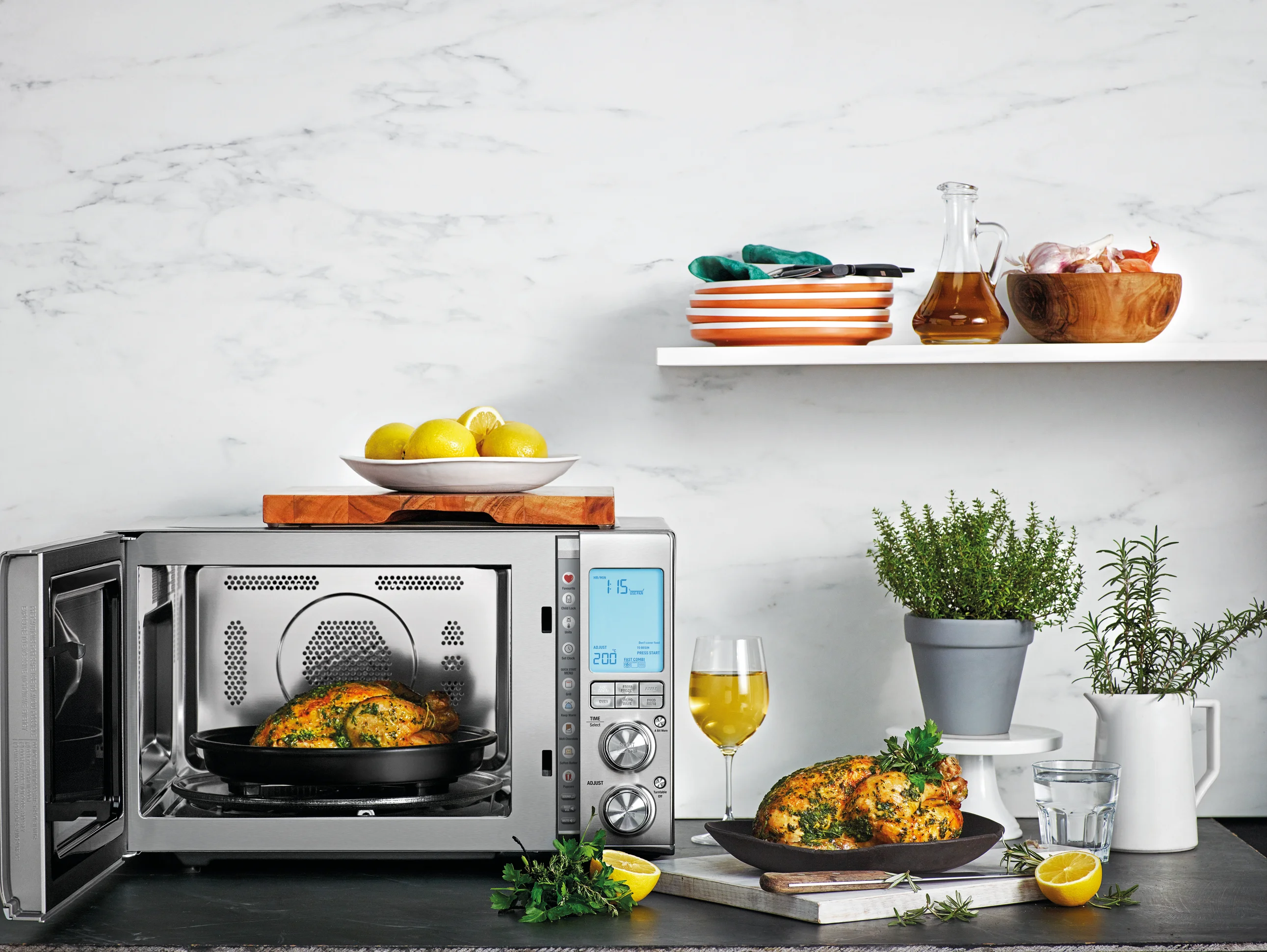
Convection baking uses the same heating elements as standard baking, but it also involves using a fan system to circulate the heated air inside the oven chamber. When cooking with a convection oven, the fan moves hot air around the food to distribute the heat, while an exhaust vent draws out extra moisture in the air.
How does standard bake vs. convection bake differ?
When you activate the convection mode, the way the hot air is circulated will impact how your food bakes. By quickly filling the entire oven with heat, convection baking typically resulted in more evenly cooked results. The more consistent heat level also allows your food to bake about 25% faster—so it’s extra convenient in a pinch or when ravenous.
Conversely, convention mode allows you to keep your baked goods more moist because they don’t dry them out with extra airflow. And because recipes for baked goods tend to resemble high school chemistry, you might find that perfecting your baked goods is a bit more finicky with convection ovens.
Pros and cons of convection bake
The equal heat distribution from using the convection bake setting can give your dish a boost in a few key ways, such as:
● Convection ovens offer more consistent baking when using multiple racks, so you don’t need to rotate racks partway through the bake time.
● You can eliminate random hot and cold spots in your food.
● The quick, even heat will effectively brown your dish, creating a uniform, crispy outer layer.
● The air circulation from convection mode speeds up the process of both preheating and cooking.
However, the extra air circulation isn’t always what your dish needs. Convection baking does come with a few potential drawbacks, depending on your dish:
● The convection setting can cook food too quickly, creating an overcooked outside and an undercooked inside.
● Quicker baking times may not give baked goods enough time to settle, rise, and firm up.
● You may need to adjust cooking time and oven temperature when preparing a recipe designed for conventional baking.
Pros and cons of standard bake
If you’ve ever used the oven in your home, you probably have some experience with standard baking. But as that was the only option for many of us growing up, you may not know what sets it apart from the convection method, including:
● Standard baking is simple and straightforward, making it user-friendly and adaptable.
● Most recipes are designed with standard baking in mind, making it more intuitive than convection baking.
● Conventional ovens are often better for baked goods and delicate recipes that benefit from a lower, slower baking time and a bottom-up heating element.
But before you start baking on the standard setting, make sure you understand these common limitations:
● You may need to swap your pans when using multiple racks to ensure your dishes bake evenly.
● Conventional ovens aren’t as efficient and use more energy.
● Dishes can take longer to cook when using the standard bake method.
When to use each setting
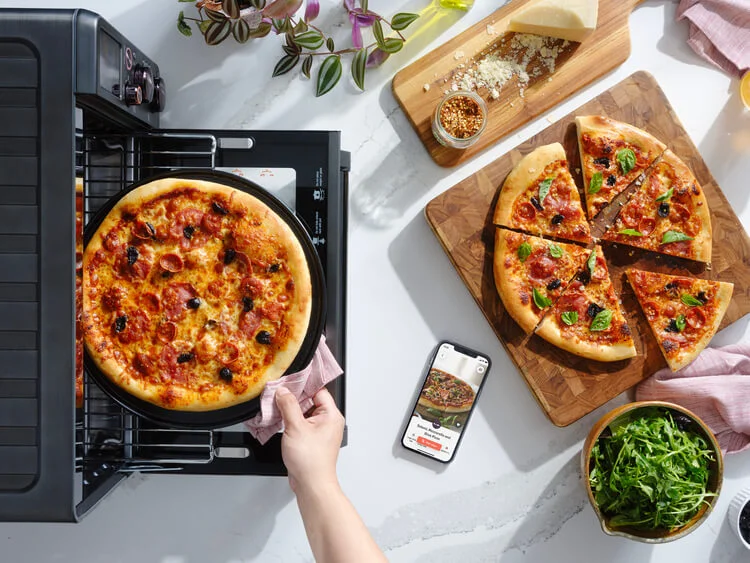
If you aren’t sure when to use each setting on your oven, start by considering the type of texture you want for your dish. For crispy, brown edges, opt for the quick, consistent, high-heat environment of the convection setting. For example, you can get a perfect finish on roasted meats and vegetables by using convection baking. It’s also ideal for reheating foods, toasting nuts, and dehydrating vegetables.
On the other hand, it’s best to use conventional baking for foods that require a more delicate touch. For example, the airflow from convection baking can disrupt the batter from baked goods like custards or muffins, making standard baking a better option.2 Conventional baking is also great for keeping baked goods and lean meats nice and moist.
And if you aren’t sure which method works best—experiment!
Comparing cooking times and temperatures
As you prepare to start baking, make sure to align the details of your recipe with the oven setting you choose. Unless recipes specify otherwise, they’re usually designed for conventional ovens.
When using a convection oven, note that the beep signifying preheating is complete goes off about 75% of the way there. Other good recommendations for convection cooking include lowering your oven’s temperature by 25 degrees and checking on your food about three-quarters of the way through to account for the faster cooking time.
Choosing the right setting for your needs
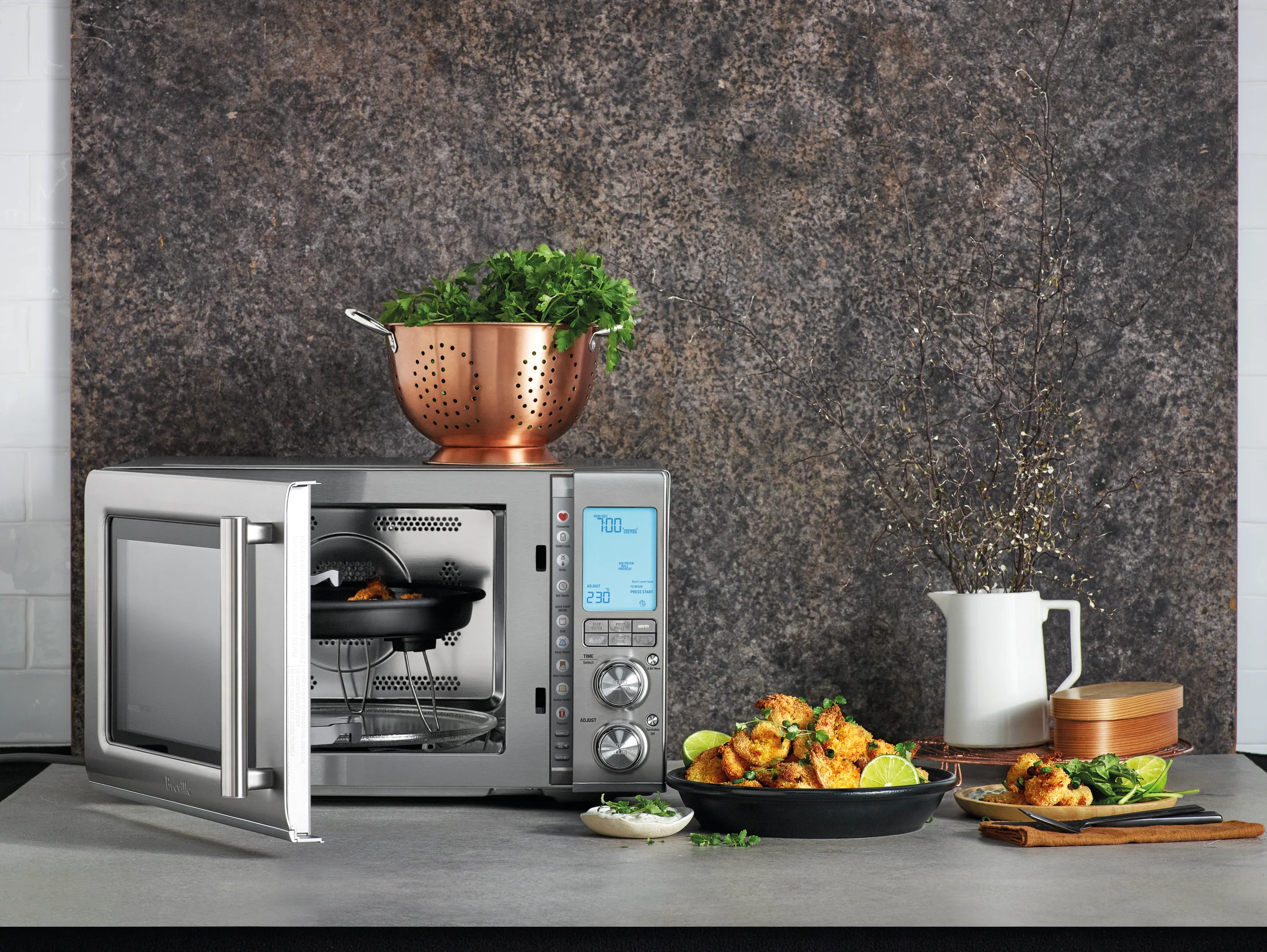
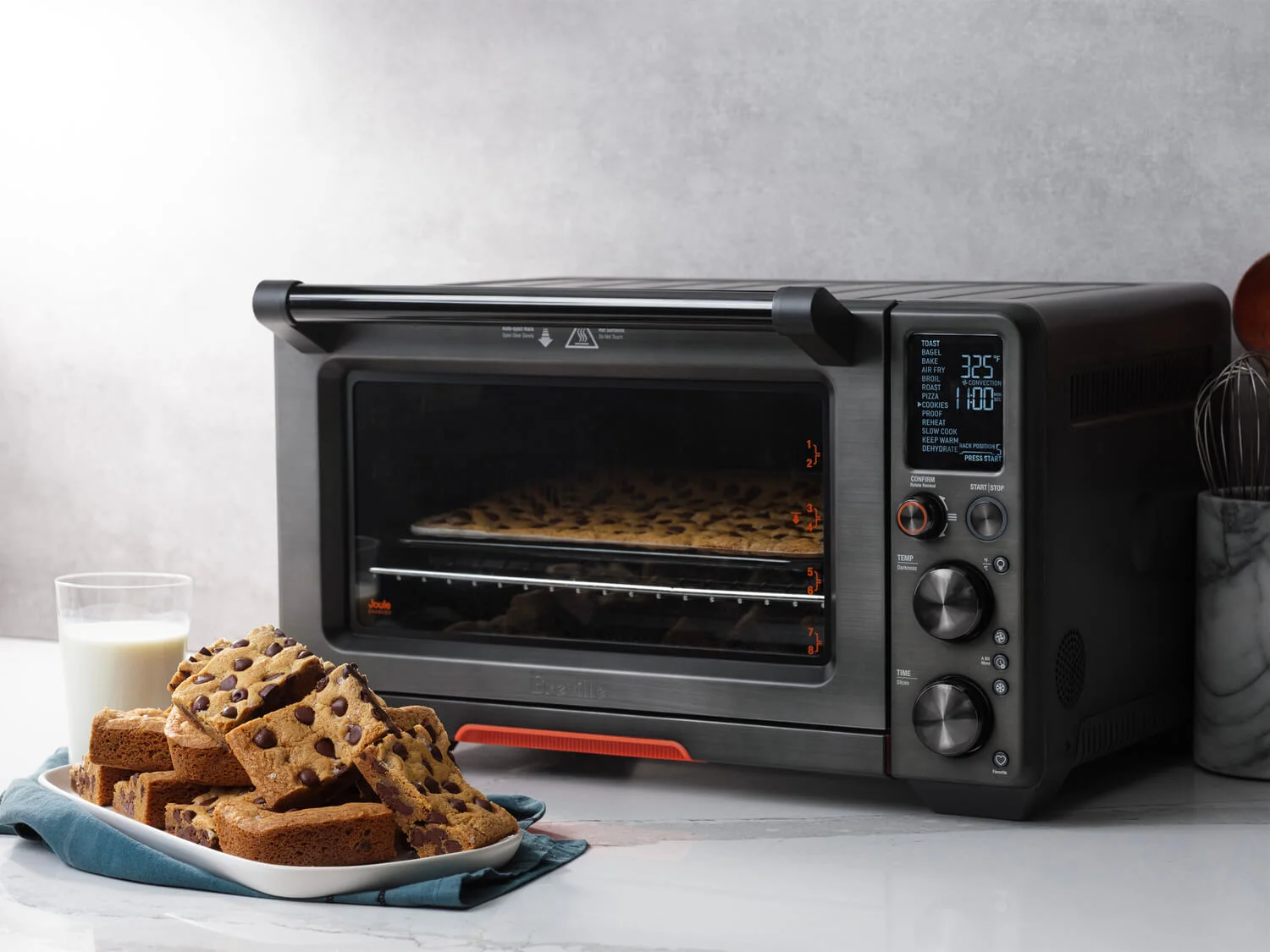
With the right oven from Breville, you can get the best of both standard and convection baking! Breville ovens can handle everything from low and slow desserts to crispy vegetables browned to perfection—and in less time than your conventional range.
For even more inspiration and exclusive content, Breville+ takes your cooking journey to the next level. This premium subscription service offers access to curated recipes, personalized tips, and masterclasses that help you get the most out of your kitchen appliances.
Browse our collection of smart ovens, air fryers, and accessories to get the most out of each setting on your oven.
Sources:
1. Masterclass. Convection Oven vs. Conventional Oven: 5 Key Differences. https://www.masterclass.com/articles/convection-oven-vs-conventional-oven-explained
2. Simply Recipes. The Difference Between Convection Baking Versus Convection Roasting, Explained. https://www.simplyrecipes.com/what-is-a-convection-oven-7494353
3. Angi’s List. What’s the Difference Between a Convection Oven and a Conventional Oven? https://www.angi.com/articles/convection-vs-conventional-oven.htm
4. Real simple. What Is Convection Cooking, and When Should You Use It Over Regular Roasting or Baking? https://www.realsimple.com/food-recipes/cooking-tips-techniques/cooking/convection-baking-regular-baking