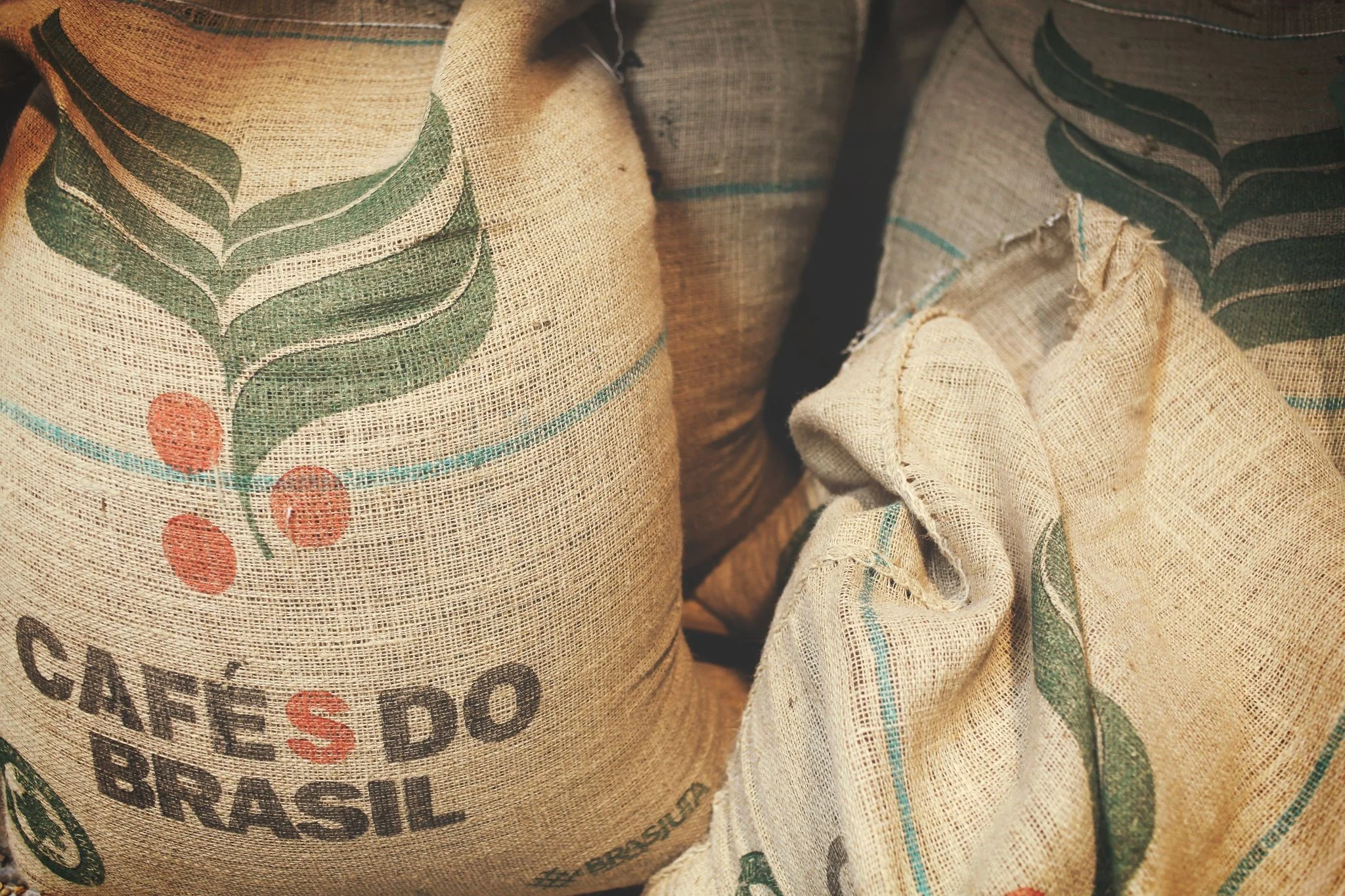
That’s right—despite the incredible array of origins which coffee comes from, whether it’s Indonesia, Ethiopia, or Brazil almost all coffee worldwide comes from either arabica or robusta coffee beans.
The two species have distinct differences in growing conditions, taste, caffeine content, and price. If you’re choosing between arabica vs. robusta coffee, you’ll want to know these differences before you reach for your next cup. In this article, we’ll explore all the nuances of these coffee varieties so you can make an informed choice for your morning brew.
Arabica coffee vs robusta: Five delicious differences
If almost all the beans you see in the coffee shop or specialty roasters come from just two species, does it really make much difference which you choose?
Yes, in fact. Arabica and robusta coffee plants grow in different conditions, leading to noticeable differences in:
● Caffeine concentration
● Acidity
● Complexity
● Levels of flavor-producing organic compounds like pyrazine, chlorogenic acids, and lipids
Let’s take a closer look at how all those factors affect the beans that end up in your coffee maker.
#1 Cultivation differences
Despite being closely related, arabica and robusta coffee plants prefer quite different growing conditions. Arabica plants are less hardy than robusta, preferring:
● Subtropical or equatorial regions
● Higher altitudes
● Cooler temperatures
● A distinct rainy and dry season
Meanwhile, robusta plants are known for:
● Greater heat tolerance than arabica
● Growing at lower elevations
● More disease and pest resistance
#2 Taste differences
When it comes to flavor, arabica and robusta coffee beans have even more marked differences:
● Arabica coffee is typically sweeter and fruitier than robusta due to the higher sugar and acid content in the coffee beans.
● Arabica beans also contain more lipids (fats) than robusta, which brings out mellower flavor notes.
Robusta beans, on the other hand, are often described as earthy, dark, and strong. They’re favored for espresso and dark roasts like Italian or French. Robusta espressos are extra good when you know how to tamp espresso. Because this flavor profile can verge on overly complex, arabica coffees are seen as higher quality than robusta coffees. However, that intense flavor can be an advantage for espresso-based coffee drinks.
#3 Price differences
Due to its easy care, disease- and pest-resistance, and heat tolerance, robusta coffee is easier to produce and therefore less expensive than arabica. Arabica coffees are typically preferred by specialty coffee companies and small-batch roasters looking to produce a higher-quality, higher-premium product with richer flavor.
Bottom line? If you just need a big pot of coffee to keep you going until you end your day, go for robusta. If you’re breaking out the French press to make a perfect cup to savor on a lazy weekend morning, reach for arabica.
#4 Caffeine differences
Caffeine content varies depending on how long the beans were roasted and other factors, but in general, robusta beans have a naturally higher caffeine content, containing about twice the caffeine of arabica beans.3
Testing of samples from different regions has shown that:
● Arabica coffee beans range from .8 to 1.4% caffeine concentration
● Robusta beans range from 1.7 to 4% caffeine concentration
So, when you’re looking for a stronger caffeine kick, this is where robusta coffee shines. If you’re watching your caffeine intake or you’re simply looking for a mellower brew for an afternoon cuppa that won’t keep you up all night, you’re better off with arabica.
#5 Drink variety differences
The differences between arabica and robusta aren’t limited to taste and caffeine content. Even the texture and body of the two tend to differ.
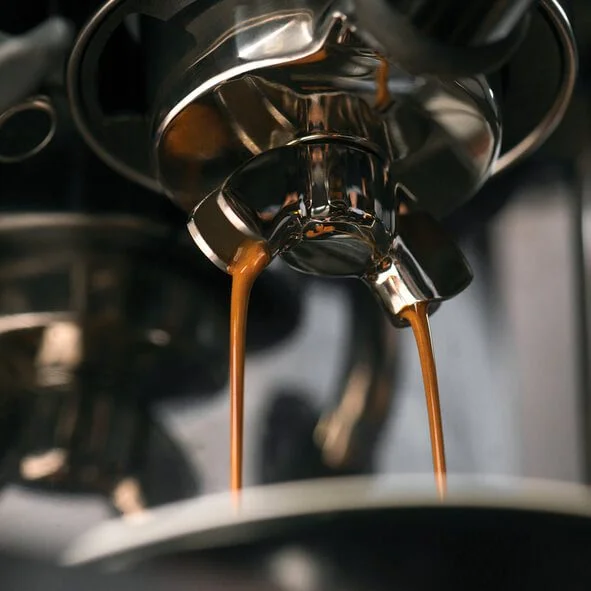
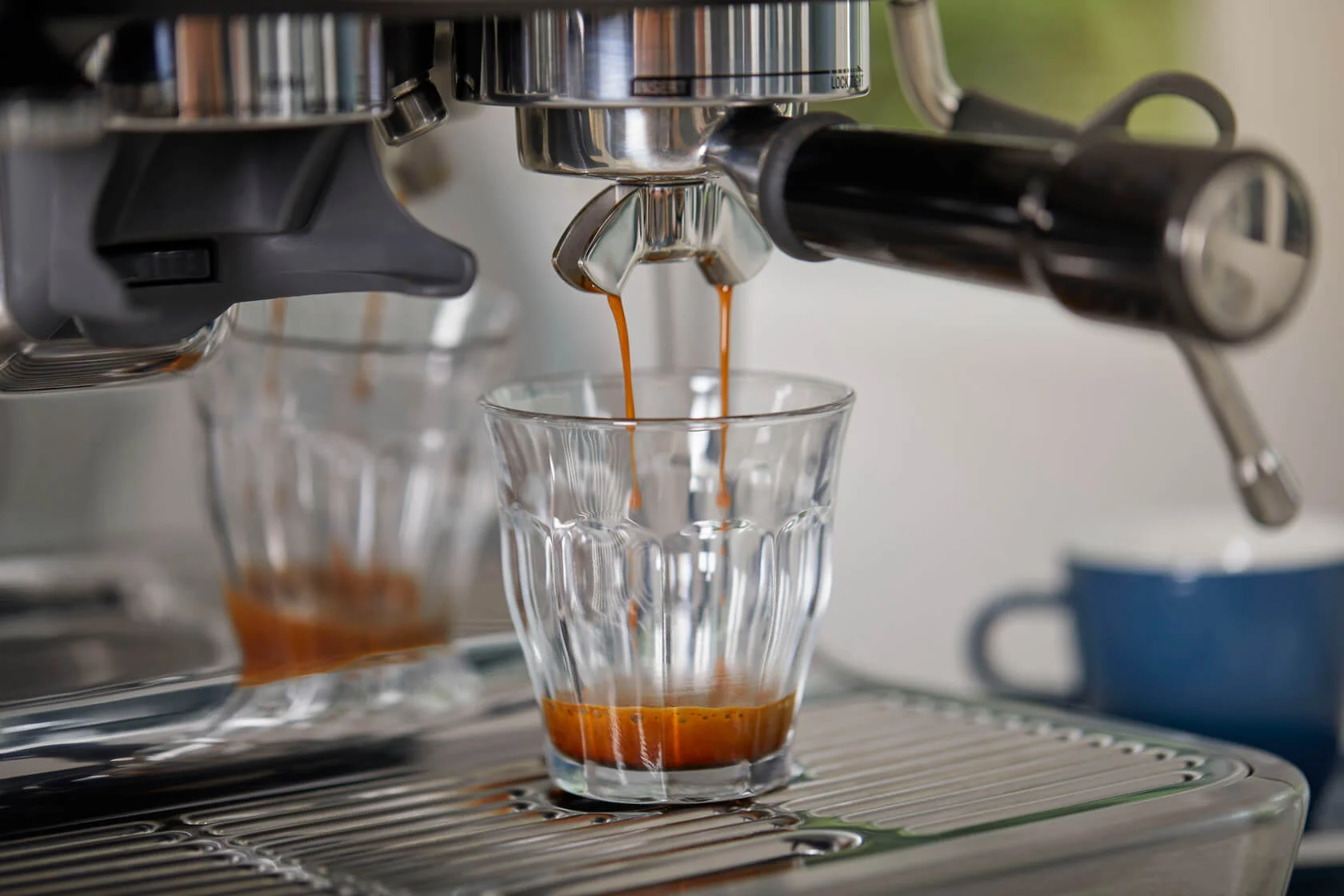
Robusta coffees naturally produce more crema, that delectable frothy layer you’ll notice on top of a fresh espresso shot. This, along with the strong, intense flavor, makes robusta a natural choice for espresso drinks. Arabica is an appropriate choice when you’re looking for a more subtle, complex coffee flavor.
Which is right for you?
Choosing between arabica and robusta ultimately comes down to personal preference:
● Arabica – Best for fans of sweeter, fruitier coffees with a wide range of tasting notes. Use it when you’re intending to savor a carefully-crafted drink using your favorite brewing method.
● Robusta – Best for strong, earthy flavor with a caffeine kick. Use it when you’re looking for a strong coffee note, whether that’s in an Americano or that extra-rich chocolate cake recipe.
No matter what’s in your cup, brew it with Breville
We’re willing to bet that most coffee lovers will end up with both arabica and robusta coffees in their cupboards, because each has its place in the coffee world. Understanding the unique strengths of each variety will only enhance your appreciation for your favorite brew.
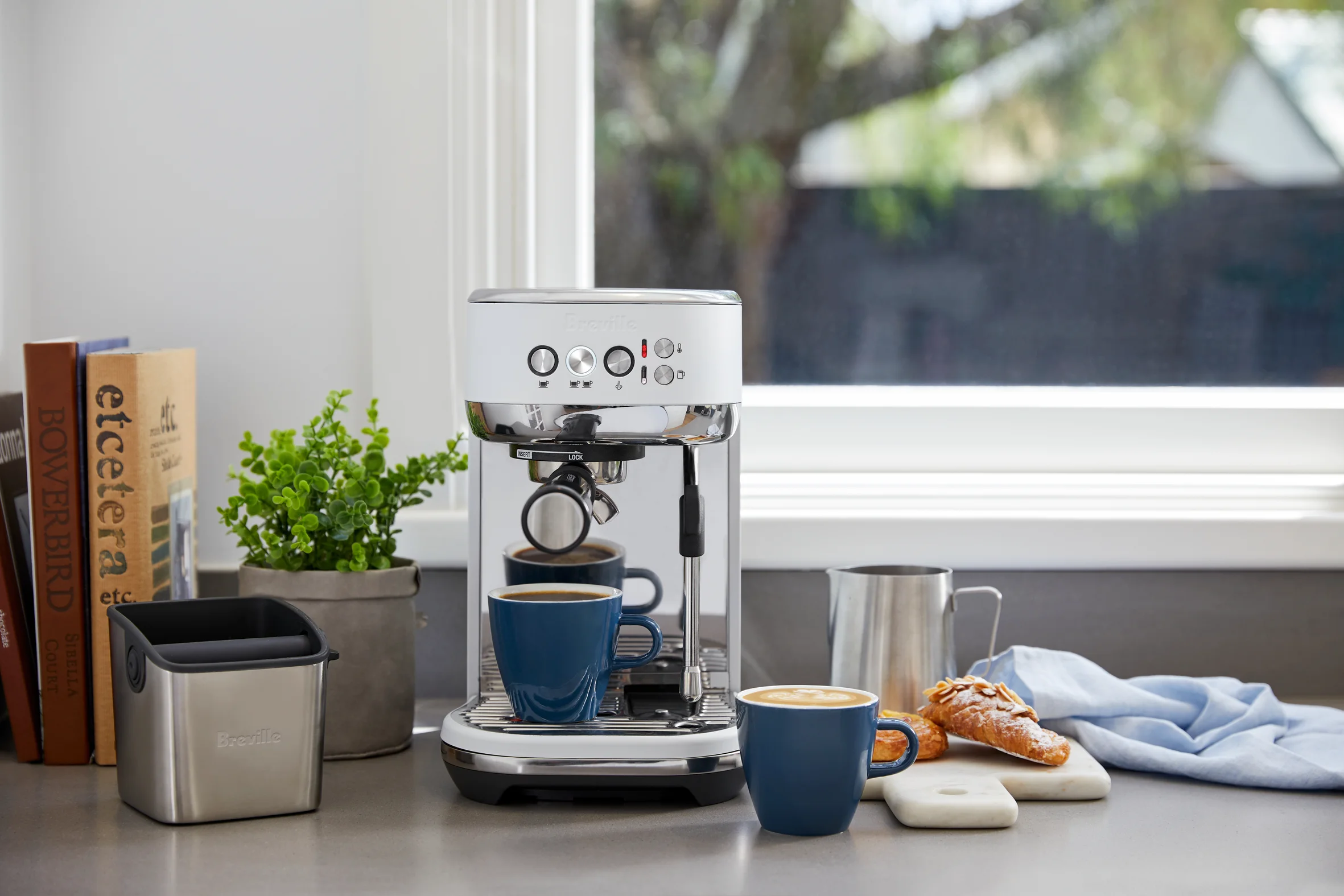
Whether you’re making an extra-strong pot to get you through the workday or enjoying a latte at home, Breville’s kitchen appliances will help you make it better.
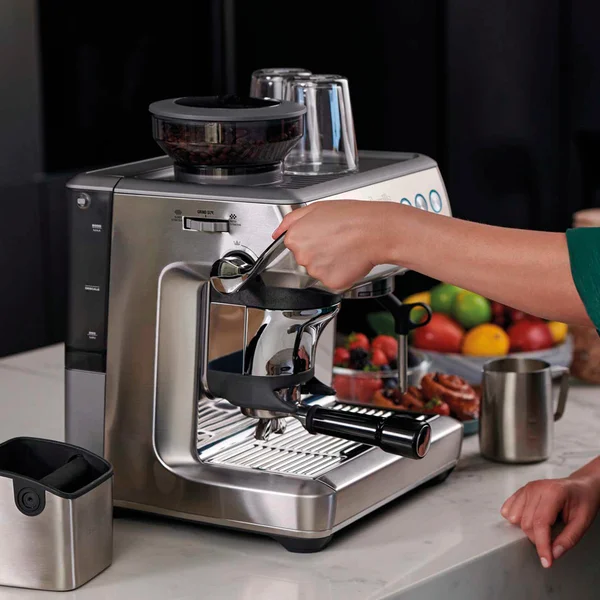
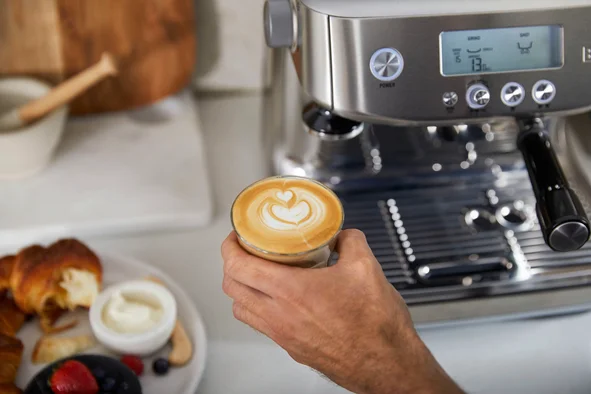
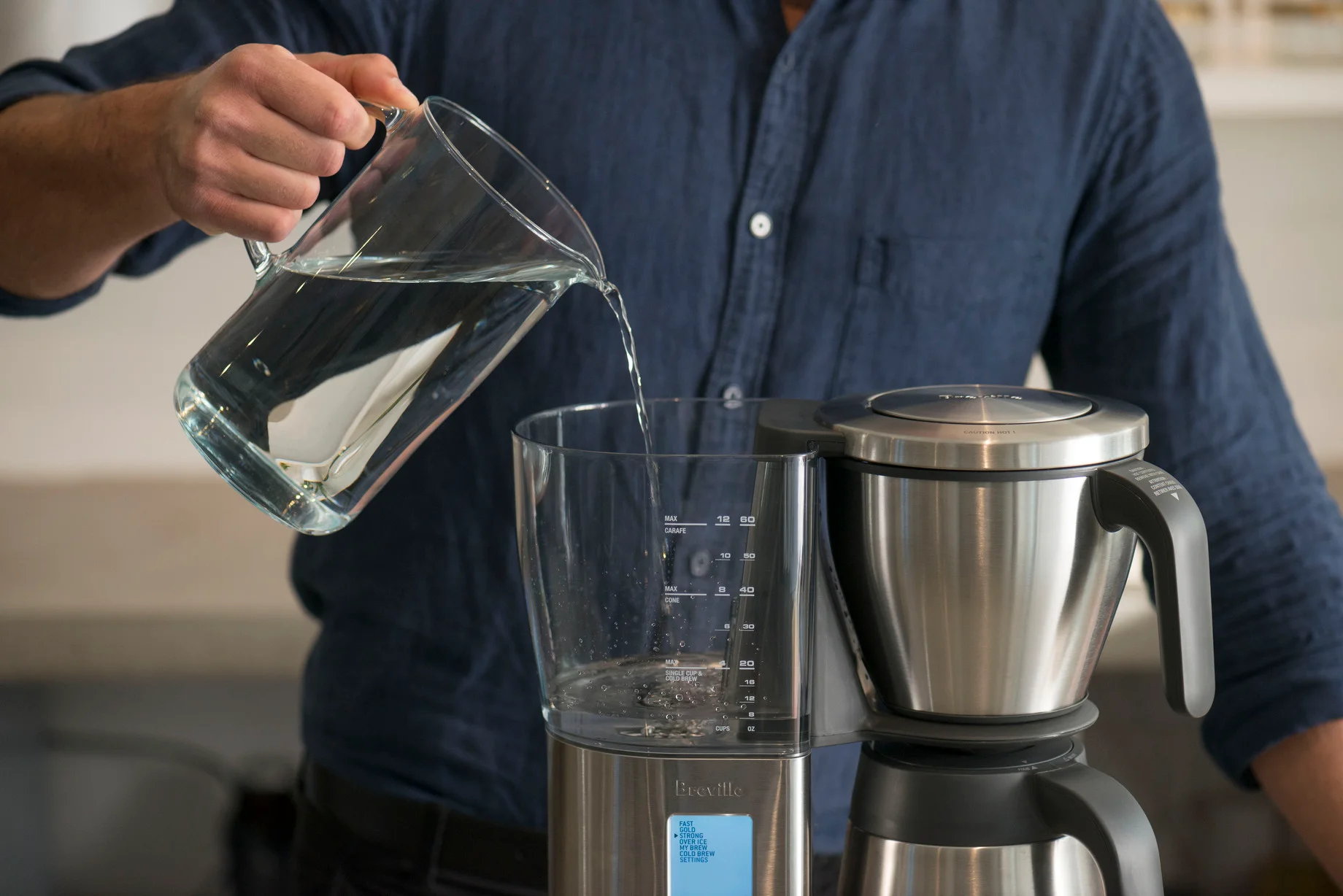
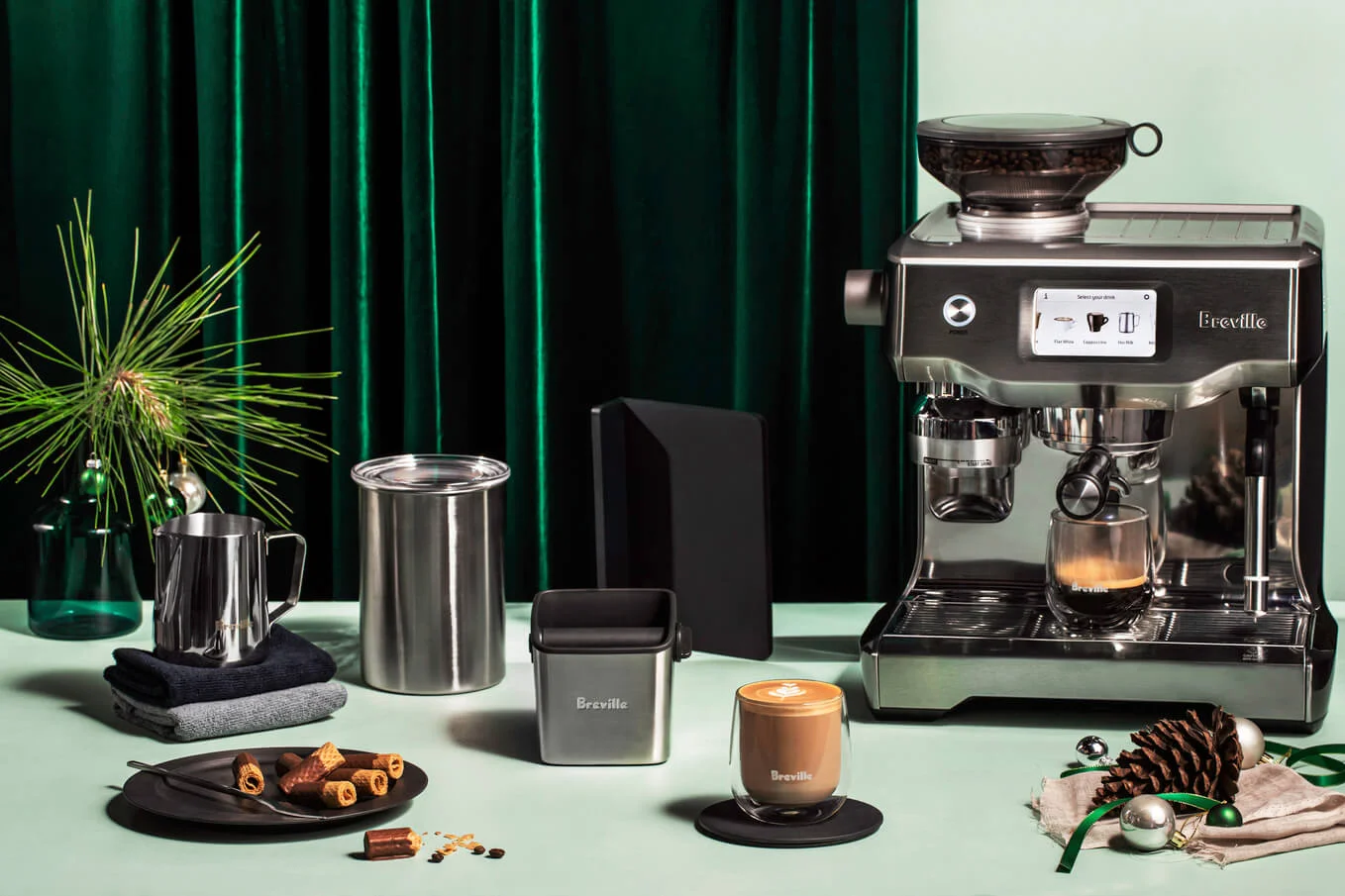
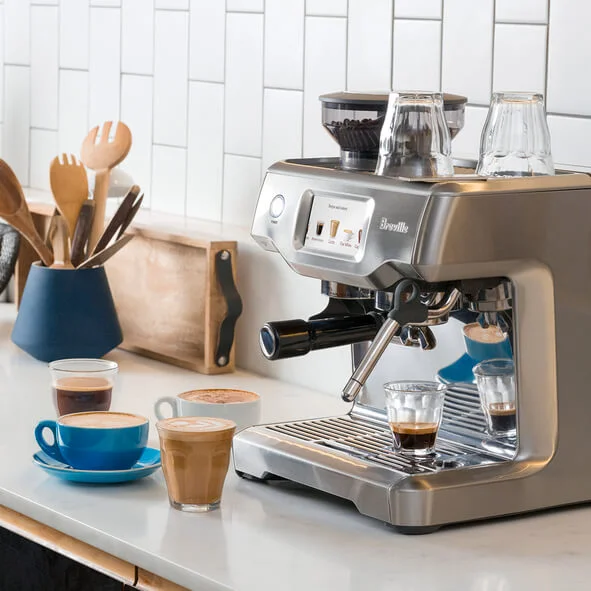
Our Barista Touch, Barista Pro, Breville Precision Brewer, and every one of our coffee and espresso machines is designed with one thing in mind: Brewing your coffee to your ideal taste.
Sources:
1. Coffee Research Institute. Coffee plant: Arabica and robusta. http://www.coffeeresearch.org/agriculture/coffeeplant.htm
2. Sensors. Characterization of arabica and robusta coffees by ion mobility sum spectrum. https://www.ncbi.nlm.nih.gov/pmc/articles/PMC7309026/
3. Sprudge. Coffee basics: What is arabica coffee? https://sprudge.com/coffee-basics-what-is-arabica-coffee-178591.html
4. European Food and Research Technology. Chlorogenic acids, caffeine content and antioxidant properties of green coffee extracts: influence of green coffee bean preparation. https://link.springer.com/article/10.1007/s00217-016-2643-y